

Alternatives to LoadTester
LoadTester is a modern load testing tool that runs distributed HTTP and API performance tests from your browser or CI/CD pipeline with live analytics.
Explore 16 alternatives to LoadTester. Compare features, pricing, and find the best fit for your needs.



xDevTools
Secure, private developer tools. 1000+ utilities run in your browser. No data leaves your device.

Ornold
Ornold MCP lets AI agents control Chromium and antidetect browsers: click, type, read screens, record workflows, replay profiles without scripts.

AIQualityHQ
AIQualityHQ checks prompt quality for structure, safety, and privacy in under 10ms, all within your browser.
Clearcote
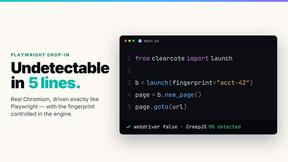
Clearcote is an open-source, de-Googled Chromium drop-in for Playwright and Puppeteer that gives you engine-level fingerprint control for a single.

JustLaunched
JustLaunched helps indie makers schedule product launches and reach buyers by blasting listings across curated SaaS directories.

Buildlist
Buildlist is a SaaS directory that lets you instantly list and discover AI tools using any API key.

Push My App
Push My App is an all-in-one dashboard that writes ASO metadata, designs screenshots, scans for rejection risks, and submits directly to App Store.

MCPize
MCPize is a marketplace where developers discover, install, and manage premium MCP servers with one API key and publishers earn 80% revenue.
act101
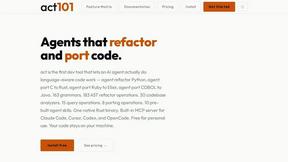
act101 empowers AI agents to refactor and port code seamlessly across 163 languages with advanced AST operations and built-in skills.

BoltShot
BoltShot is a simple, ultra-fast API that transforms any URL into high-quality screenshots without requiring browser operations.

ButterKit
ButterKit streamlines app development by effortlessly creating stunning App Store screenshots and localized metadata in one powerful tool.
Headless Domains
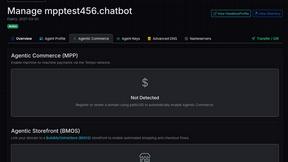
Headless Domains provides portable, verifiable web identities that enable AI agents to authenticate, authorize, and transact across platforms.
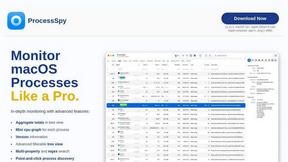
ProcessSpy
ProcessSpy is an advanced Mac process monitor with a native interface, real-time filtering, and powerful JavaScript-based analysis tools.
About LoadTester Alternatives
LoadTester is a specialized developer tool designed to help engineering teams run HTTP and API load tests without the overhead of managing complex testing infrastructure. It belongs to the performance testing and monitoring category within the broader Dev Tools ecosystem, focusing specifically on simplifying the process of simulating virtual users or requests per second against web services. Users commonly look for alternatives to LoadTester due to specific pricing constraints, a need for more advanced protocol support beyond HTTP, limited integration options with their existing CI/CD pipeline, or a desire for different deployment models such as on-premise hosting. Others may seek tools that offer deeper analytics, real-time collaboration features for larger teams, or more granular control over test distribution and geographic load generation. When evaluating an alternative to LoadTester, it is crucial to prioritize tools that offer a straightforward setup process and do not require extensive infrastructure management, as this is the core value of the category. Key factors to consider include the accuracy of latency and error rate monitoring, the flexibility of test configuration such as supporting both virtual user and requests per second modes, and the quality of result comparison features for catching performance regressions. Additionally, assess the availability of exports, scheduled testing capabilities, and API access for seamless workflow integrations, ensuring the alternative aligns with your team’s specific development cycle and operational requirements.
FAQs about LoadTester Alternatives
What is LoadTester?
LoadTester is a developer tool that enables teams to run HTTP and API load tests without the need to set up or manage dedicated load testing infrastructure. It allows users to create tests, choose between virtual users or requests per second as the load metric, and monitor live latency and error rates during the test. After completion, it provides detailed results for review and comparison to catch performance regressions.
Who is LoadTester for?
LoadTester is designed for developers and engineering teams who need simple, repeatable performance checks for their HTTP and API services. It is particularly useful for teams that want to integrate performance testing into their development workflow without the complexity of managing servers or distributed load generators. The tool also supports exports, scheduled tests, and API access, making it suitable for teams that require automated and collaborative performance monitoring.
Is LoadTester free?
Based on the available product information, LoadTester is a commercial tool focused on providing a streamlined load testing experience. While specific pricing tiers are not detailed here, it is typically offered as a paid service to cover infrastructure and feature maintenance. Users should consult the official LoadTester website or documentation for the most current pricing plans, including any potential free tier or trial options.
What are the main features of LoadTester?
The main features of LoadTester include the ability to create HTTP and API load tests with configurable virtual user or requests per second loads, live monitoring of latency and error rates during tests, and detailed results for post-test review and run comparison. It also offers exports for data analysis, scheduled tests for recurring performance checks, and API access along with workflow integrations to fit into existing development pipelines. The tool is designed to help teams identify performance regressions before they impact end users.