

Frizzle
Frizzle uses AI to analyze handwritten math work in real time, giving teachers granular data on student misconceptions and next steps.
product Details
Explore More
Alternatives
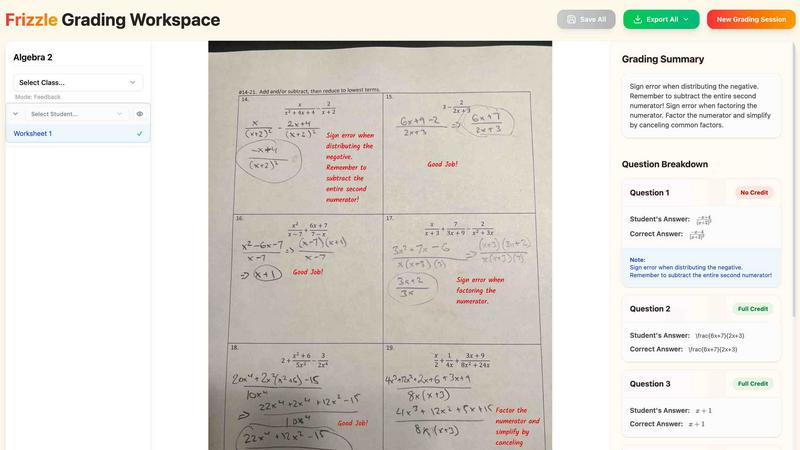
About Frizzle
Frizzle is an AI-powered operating system for math classrooms that uses computer vision and large language models to read, analyze, and grade handwritten student work. Designed specifically for K-12 mathematics, Frizzle allows students to continue working on paper while providing teachers with real-time, granular data about student understanding. The system reads every page of handwritten work, recognizing not just final answers but every step of the solution process across multiple solution paths. With a reported 97% accuracy rate and a confidence-interval system that flags uncertain grades for human review, Frizzle transforms a stack of papers into actionable classroom insights within minutes. Teachers simply photograph student work using a phone, document camera, or scanner, and within approximately eight minutes per class, Frizzle returns standards-level formative analytics aligned to CCSS, TEKS, and over 30 state frameworks. The platform serves individual teachers, school coaches, and district administrators by surfacing which standards each class and student has actually mastered, identifying spreading misconceptions, and recommending next instructional steps. Currently live in over 30 schools and districts, including a college math pilot at Vanderbilt University and Arizona State University, Frizzle is FERPA and COPPA compliant, SOC 2 Type II audited, and free for individual teachers with no credit card required. The system has already graded over 100,000 questions and processes work from over 2,400 teachers daily.
Features
Handwritten Work Recognition
Frizzle uses advanced computer vision to read any type of handwriting, including print, cursive, scribbled, and sideways text. The system parses each step of student work, not just the final answer, and understands multiple solution paths simultaneously. This means three students who solve a problem three different ways all receive appropriate credit. Frizzle provides step-level feedback, showing exactly where a student's thinking went off track rather than simply marking an answer wrong. The model was trained on 1.4 million pages of real K-12 student work, enabling it to recognize the messy, partial, and unconventional ways actual students arrive at answers.
Misconception Detection and Tagging
Frizzle identifies 147 named misconceptions across K-12 mathematics, each mapped to specific educational standards. The system surfaces which misconceptions are spreading through a classroom, allowing teachers to intervene before errors become entrenched. Frizzle also performs prerequisite tracing, meaning it can identify when a seventh-grade error actually stems from a fourth-grade foundational gap. Every flag links back to the exact stroke on the student's page, providing complete transparency. Teachers can see in real time that, for example, Maya R. is struggling with sign errors while Jaden K. needs help with the distributive property.
Standards-Level Formative Analytics
Instead of waiting for spring assessments to understand student mastery, Frizzle delivers live dashboards showing which Common Core, TEKS, or state-specific standards each class and each student has actually mastered. The system tracks mastery levels across developing, mastered, and at-risk categories, and updates engagement metrics continuously. For schools and districts, Frizzle aggregates anonymized signal across periods, grades, and buildings, enabling coaches and administrators to see where to invest resources, what to reteach, and which curricula are working. The platform is curriculum-agnostic, reading work from Eureka, Illustrative, Saxon, and other programs.
Privacy-First Infrastructure
Frizzle is built with privacy as a foundational principle, not an afterthought. Student work never trains the company's model, and all educational data remains under the school or district's control. The platform achieves full FERPA and COPPA compliance, undergoes SOC 2 Type II auditing annually, and encrypts all data with AES-256 at rest and TLS in transit. This enterprise-grade security allows districts to adopt the platform without compromising their data governance policies or exposing student information to third-party training uses.
Use Cases
Individual Teacher Grading and Planning
A middle school math teacher with five sections of 28 students each traditionally spends 10 to 15 hours per week grading handwritten assignments. By photographing each stack of papers with a phone or running them through a copier, the teacher receives complete grading, misconception analysis, and standards alignment within minutes. The teacher can instantly see which problems caused the most difficulty, which students need remediation, and what to teach the next day. This reclaims an entire weekend day while providing deeper insight than manual grading ever could.
School-Wide Instructional Coaching
Math coaches can use Frizzle to move from generic classroom observations to specific, standards-level conversations with teachers. Instead of discussing whether a lesson was engaging, coaches and teachers can review data showing that 68% of a class has mastered algebraic expressions while 24% are developing and 8% are at risk. Coaches can identify which teachers are successfully addressing particular misconceptions and spread those strategies across the department. The platform enables data-driven professional development that targets actual student learning gaps.
District-Level Curriculum and Equity Analysis
District administrators can use Frizzle's aggregated dashboards to spot performance gaps the moment they emerge across different schools, grade levels, and demographic groups. The platform's equity dashboards highlight disparities in mastery rates, allowing districts to allocate resources where they are needed most. Administrators can evaluate which curricula are producing the best results across different student populations and make data-informed decisions about textbook adoptions, professional development investments, and intervention program placement.
College Mathematics Remediation and Placement
At institutions like Vanderbilt University and Arizona State University, Frizzle is being piloted for college math courses to identify incoming students who need foundational support. The system can quickly assess hundreds of placement exams or homework assignments, flagging students who struggle with prerequisite concepts. This allows colleges to provide targeted remediation before students fall behind in credit-bearing courses, potentially improving retention and completion rates in gateway mathematics courses.
Frequently Asked Questions
Does Frizzle require students to use tablets or computers?
No. Frizzle is designed specifically to maintain the paper-based workflow that most math classrooms already use. Students continue writing on paper with pencils and pens. Teachers simply photograph the completed work using a phone, document camera, or scanner. There are no student logins, no devices to distribute, and no migration to digital platforms required. Frizzle slots into the way teachers already teach.
How accurate is Frizzle's grading?
Frizzle reports a 97% accuracy rate for grading handwritten mathematics. The system uses a confidence-interval mechanism that flags any grade where the AI is uncertain, sending those papers to the teacher for human review. This ensures that borderline or ambiguous student work receives appropriate attention. The model was trained on 1.4 million pages of real K-12 student work, giving it robust exposure to the variety of handwriting styles and solution approaches that appear in actual classrooms.
Is Frizzle compliant with student privacy regulations?
Yes. Frizzle is fully FERPA and COPPA compliant and undergoes SOC 2 Type II auditing annually. Critically, student work never trains the company's AI model, meaning that no student data leaves the educational context to improve commercial products. All data is encrypted with AES-256 at rest and TLS in transit. Schools and districts maintain full ownership and control of their data, making Frizzle suitable for adoption in privacy-conscious educational environments.
Which math curricula and standards does Frizzle support?
Frizzle supports alignment with Common Core State Standards (CCSS), Texas Essential Knowledge and Skills (TEKS), and over 30 additional state frameworks. The platform is curriculum-agnostic, meaning it can read and analyze student work from any math program, including Eureka Math, Illustrative Mathematics, Saxon Math, and teacher-created assignments. Frizzle identifies 147 named misconceptions across K-12 mathematics, each mapped to specific standards, providing granular insight into student understanding regardless of the curriculum being used.
Similar to Frizzle
Wordy
Learn languages with real movie and TV show clips.
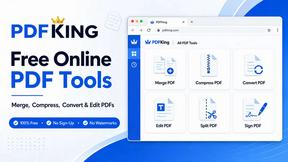
PDFKing
Free online PDF tools to merge, compress, convert, edit, sign, and manage documents—no signup, watermarks, or daily limits.
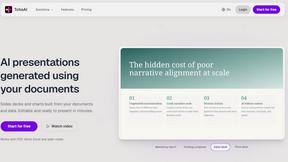
TchoAI
Turn documents, notes, and data into clear, editable presentations in minutes.

xDevTools
Secure, private developer tools. 1000+ utilities run in your browser. No data leaves your device.

Registrant Prep
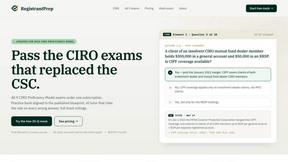
Registrant Prep offers affordable AI-powered CIRO exam prep with full mocks, an AI tutor, and rule-cited explanations for $29.99 monthly.