

Alternatives to Tin Computer
Tin Computer is an autonomous growth agent that analyzes your product, ships experiments, and learns from results to continuously improve your.
Explore 20 alternatives to Tin Computer . Compare features, pricing, and find the best fit for your needs.

stackledge
A strictly human-verified software directory. Discover active SaaS apps, practical AI tools, and custom n8n workflows without bot-scraped spam.

Slide-Easy
A Mac app that turns your App Store link into a week of Instagram Reels and carousels, written from your real reviews.
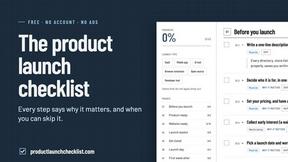
Product Launch Checklist
A free launch checklist for SaaS, apps, AI tools and more. Every step says why it matters and when you can skip it.

EmailFig
Email marketing that gets out of your way. Every feature on every plan, free to 4,000 contacts.
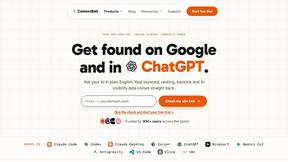
ContextBolt SEO
Research keywords, competitors, backlinks and AI visibility in Claude or Codex. Keep the findings in your SEO dashboard.


iHatePosting
Create once, tailor for each platform, and schedule posts across 14 social networks from one simple dashboard.

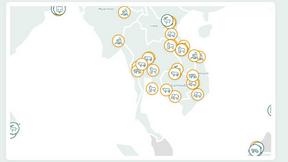
Animals Around the World
See which animals live where, the parks to spot them in and the best months to go.

UGCad AI
AI UGC video ad Generator which Turn a URL, prompt, or template into a ready video ads
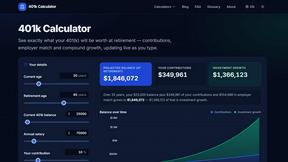
401k Calculator
401 k Calculator.info is a free online tool to estimate retirement savings, employer match, and future 401(k) growth for smarter financial planning.
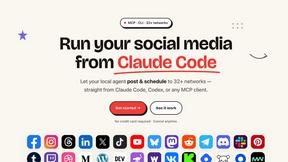
Groniz
Run your social media on autopilot with AI agents. Post & schedule to 32+ networks from Claude Code, Codex, or Console.

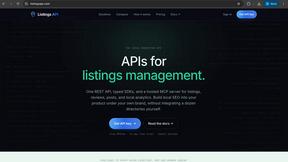
Listings API
Publish and manage your business listings, reviews, and local data across platforms with a simple Python API.

Getlead
Getlead is an AI-powered B2B lead generation and cold email platform with a 420 million contact database, offering a lifetime deal with no monthly.
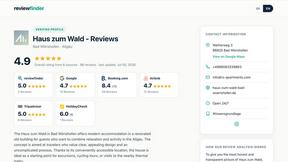
reviewfinder
Reviewfinder aggregates verified customer reviews from multiple platforms to help you make informed decisions about any product or company.
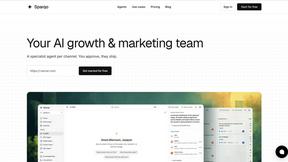
About Tin Computer Alternatives
Tin Computer is an AI growth agent specifically designed for small SaaS teams, operating within the marketing and product optimization category. It functions as a continuous, autonomous system that integrates directly with a company's existing technical stack, including tools like GitHub, Stripe, and Google Analytics, to execute a growth playbook without requiring ad spend or cold outreach. The tool works across three core areas: organic SEO (such as blog posts and comparison pages), product engineering (including bug fixes and onboarding tweaks), and analytics (like funnel diagnostics and cohort analysis), all by shipping real pull requests for teams to review and merge. Users typically look for alternatives to Tin Computer for several practical reasons, including pricing structures that may not fit their budget, a desire for a more hands-on or less automated approach to growth, or the need for a tool that integrates with a different set of platforms not currently supported. When evaluating alternatives, it is crucial to consider how deeply the solution integrates with your existing tech stack, the level of autonomy versus manual control it offers, and whether it covers the specific growth channels you prioritize, such as SEO, product development, or analytics. Additionally, look for clear evidence of measurable results, like the case study where Tin Computer grew a dormant project from $480 to $11,580 ARR, to ensure the alternative can deliver tangible outcomes for a small SaaS team.
FAQs about Tin Computer Alternatives
What is Tin Computer?
Tin Computer is an AI growth agent designed specifically for small SaaS teams. It functions as a continuous, autonomous system that works on organic SEO, product engineering, and analytics by shipping real pull requests for teams to review and merge. It plugs into existing tools like GitHub, Stripe, Google Analytics, and PostHog to execute a growth playbook without requiring ad spend or cold outreach.
Who is Tin Computer for?
Tin Computer is built for small SaaS teams who want to grow their product through organic and AI-search channels without dedicating significant manual effort. It is ideal for teams that already use platforms like GitHub, Stripe, and Google Analytics and need a tool that autonomously generates content, fixes bugs, and analyzes data. The product is particularly suited for lean teams looking to leverage their existing surfaces, such as blog posts and onboarding flows, for sustainable growth.
Is Tin Computer free?
The provided content does not specify whether Tin Computer is free or has a paid pricing model. However, given that it targets small SaaS teams and offers a comprehensive suite of features including SEO, product engineering, and analytics, it likely operates on a subscription or usage-based pricing structure. Users should check the official Tin Computer website or contact their sales team for detailed pricing information.
What are the main features of Tin Computer?
Tin Computer features three core capabilities: organic SEO growth, product engineering improvements, and analytics-driven insights. For SEO, it generates blog posts, comparison pages, and technical fixes to improve search rankings. On the product side, it automates bug fixes, small features, and onboarding tweaks by shipping real pull requests. For analytics, it performs funnel diagnostics, cohort analysis, and experiment tracking, all while integrating with tools like Google Analytics, PostHog, and Sentry.