

Alternatives to StockFit API
StockFit API transforms messy SEC filings into clean, standardized financial data ready for modeling and backtesting.
Explore 20 alternatives to StockFit API. Compare features, pricing, and find the best fit for your needs.


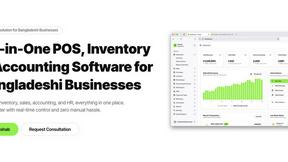
Hishab
All-in-one POS, inventory, accounting and HR software for Bangladeshi SMEs — real-time sales, stock and finance in one place.


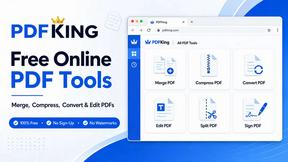
PDFKing
Free online PDF tools to merge, compress, convert, edit, sign, and manage documents—no signup, watermarks, or daily limits.
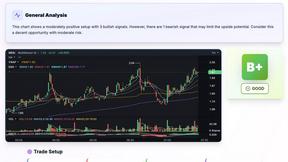
SnapPChart
SnapPChart grades a trading chart screenshot A+ to F, with an entry, stop, targets, and risk/reward. Works on stocks, forex, crypto, futures.
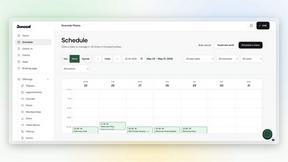
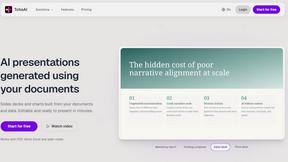
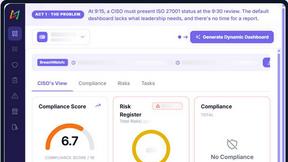

Omentir
Omentir is an AI LinkedIn sales agent that finds qualified buyers, sends personalized outreach, follows up automatically, and organizes replies by int

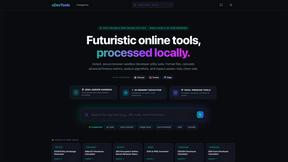
xDevTools
Secure, private developer tools. 1000+ utilities run in your browser. No data leaves your device.
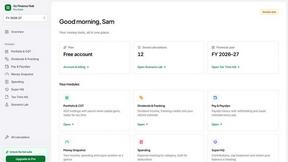

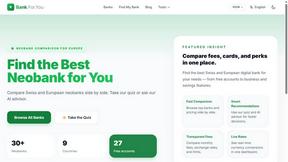
Bank.For.You
Compare Swiss and European neobanks side by side with smart quizzes and an AI advisor for personalized recommendations.

iPulse
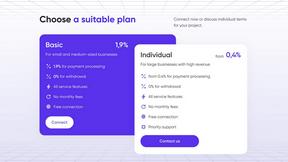
iPulse delivers AI-driven market intelligence with real-time forecasts, signals, and risk alerts for smarter investment decisions.
About StockFit API Alternatives
StockFit API is a specialized financial data platform designed for developers, quants, and research platforms that require direct, reliable access to standardized data from SEC filings. It belongs to the Business & Finance category, specifically within the niche of fundamental financial data APIs that prioritize accuracy and auditability over convenience. The platform distinguishes itself by pulling data directly from SEC XBRL filings, ensuring every number is traceable back to its original source, which is critical for financial modeling, backtesting, and rigorous analysis. Users commonly look for alternatives to StockFit API for several reasons, including budget constraints, differing feature requirements, or platform compatibility issues. Some may need a lighter solution with a simpler pricing model, while others might require broader asset coverage or specific integration capabilities that a given API does not natively support. When evaluating alternatives, it is essential to prioritize data accuracy and traceability, check for support of complex filing nuances like amended filings or non-December fiscal years, and assess whether the API provides the specific data points you need, such as insider transactions, ownership exposure, or economic models. Additionally, consider the API’s update frequency, documentation quality, and scalability to ensure it aligns with your development workflow and long-term research goals.
FAQs about StockFit API Alternatives
What is StockFit API?
StockFit API is a financial data platform that provides clean, standardized data directly from SEC XBRL filings, designed for developers, quants, and research platforms. It offers over 250 million facts and 5 million filings, covering fundamentals, ownership data, ETF and mutual fund exposure, insider transactions, and all types of filings. Every data point is traceable back to its original filing, ensuring accuracy and auditability for financial modeling and backtesting.
Who is StockFit API for?
StockFit API is built specifically for developers, quants, and research platforms who need direct, reliable access to SEC filing data without compromises. It is ideal for those building financial models, running backtests, or analyzing company fundamentals, particularly if they have faced challenges with inaccurate data from cheap tiers or expensive enterprise contracts. The platform also serves users requiring AI-friendly formats for LLM workflows, such as those analyzing economic models, competitive advantages, and strategic initiatives.
Is StockFit API free?
Based on the provided content, there is no mention of StockFit API being free. The platform is positioned as a solution that fills the gap between cheap but inaccurate data tiers and expensive enterprise contracts, suggesting it offers a paid pricing model. For specific pricing details, including any free tiers or trial options, users should consult the official StockFit API documentation or website.
What are the main features of StockFit API?
StockFit API covers fundamentals, ownership data, ETF and mutual fund exposure, insider transactions, and all types of filings. It handles complex filing nuances such as amended filings, non-December fiscal years, and Q4 reconstructions from 10-K and 10-Q data. Additionally, it provides rich economic models per company, including offerings, peers, operating levers, competitive advantages, flywheels, strategic initiatives, and failure modes, with ETF and mutual fund exposure modeled in an AI-friendly format for LLM workflows.